
Leave Us A Review: 


Your vehicle’s braking system is its most important safety feature. Whether navigating Oakland’s busy streets, descending the hills of Piedmont, or commuting through Berkeley and Emeryville traffic, dependable braking performance is critical. At Germany’s Best, we provide specialized brake repair and maintenance for German vehicles, ensuring consistent stopping power and long-term system reliability.
Modern European braking systems are engineered for precision. From electronic brake sensors and ABS modules to high-performance rotors and pads, these systems require accurate diagnostics and proper service procedures. Brake repair should never be approached casually — especially on German vehicles where performance and safety systems are closely integrated.
Brake wear typically develops gradually, but certain warning signs should never be ignored. If you notice any of the following, it’s time for a brake inspection:
Oakland’s stop-and-go traffic patterns can accelerate brake wear, especially for vehicles driven primarily in city conditions. Early inspection prevents damage to rotors and other costly components.
At Germany’s Best, we conduct thorough brake system evaluations before recommending repairs. Rather than replacing parts preemptively, we assess the full system to ensure accurate diagnosis.
Our brake inspections include:
Brake fluid plays a critical role in system performance. Over time, fluid absorbs moisture, which reduces braking efficiency and can damage internal components. We inspect fluid condition and recommend flushes based on manufacturer guidelines.
Brake pads are designed to wear down gradually, but rotors must remain within specification to ensure smooth braking. When pads wear too thin or rotors become warped, performance declines and safety risks increase.
We replace:
German vehicles often utilize electronic wear sensors that trigger dashboard warnings. Proper replacement includes sensor reset and system verification to ensure accurate monitoring.
Modern German vehicles rely on advanced braking technologies, including Anti-lock Braking Systems (ABS), Electronic Stability Control (ESC), and traction management systems. When warning lights appear, the issue may involve wheel speed sensors, control modules, or hydraulic components.
Our diagnostic process includes scanning and testing electronic brake systems to identify faults accurately before parts are replaced. This ensures braking performance and safety systems operate correctly under all driving conditions.
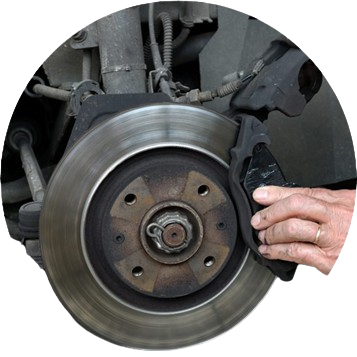
Many German vehicles are equipped with high-performance braking systems. Larger rotors, specialized pad materials, and electronic monitoring systems require proper service techniques.
For drivers navigating the varied terrain of Oakland and nearby cities, brake performance must remain consistent during both city commuting and highway driving. Using quality components that meet manufacturer specifications helps preserve stopping power and longevity.
Brake systems benefit from routine inspection. Waiting until grinding noises occur often means rotors and other components have already been damaged.
We recommend:
Preventative care helps drivers throughout Oakland, Berkeley, Emeryville, and Piedmont avoid costly repairs and maintain safe stopping performance.
German braking systems are engineered differently than many domestic platforms. At Germany’s Best, we specialize in German vehicles and understand the components, specifications, and electronic integrations unique to these systems.
Drivers choose us because:
Our goal is to ensure your braking system performs consistently and predictably every time you press the pedal.
If your vehicle is showing signs of brake wear or warning indicators, Germany’s Best is ready to help. We proudly serve drivers in Oakland and surrounding communities including Berkeley, Emeryville, and Piedmont. Contact us today to schedule a brake inspection and protect your safety on the road.
Vibration often indicates warped rotors or uneven pad wear.
Brake fluid should be exchanged based on manufacturer intervals, typically every 2–3 years.
Yes. We perform electronic diagnostics to identify ABS and stability control system faults accurately.
At Germany's Best, Inc., we’re committed to keeping your brakes in excellent condition so you can drive with confidence. We proudly serve drivers in Oakland, CA, and the surrounding areas, including:
If you need brake repair or a routine inspection, contact us today and we’ll help keep you safe on the road.
 Mon – Fri: 8:00 AM to 5:00 PM
 5291 College Avenue in Oakland, CA 94618
 510-658-8948